




Artificial Intelligence and Machine Learning
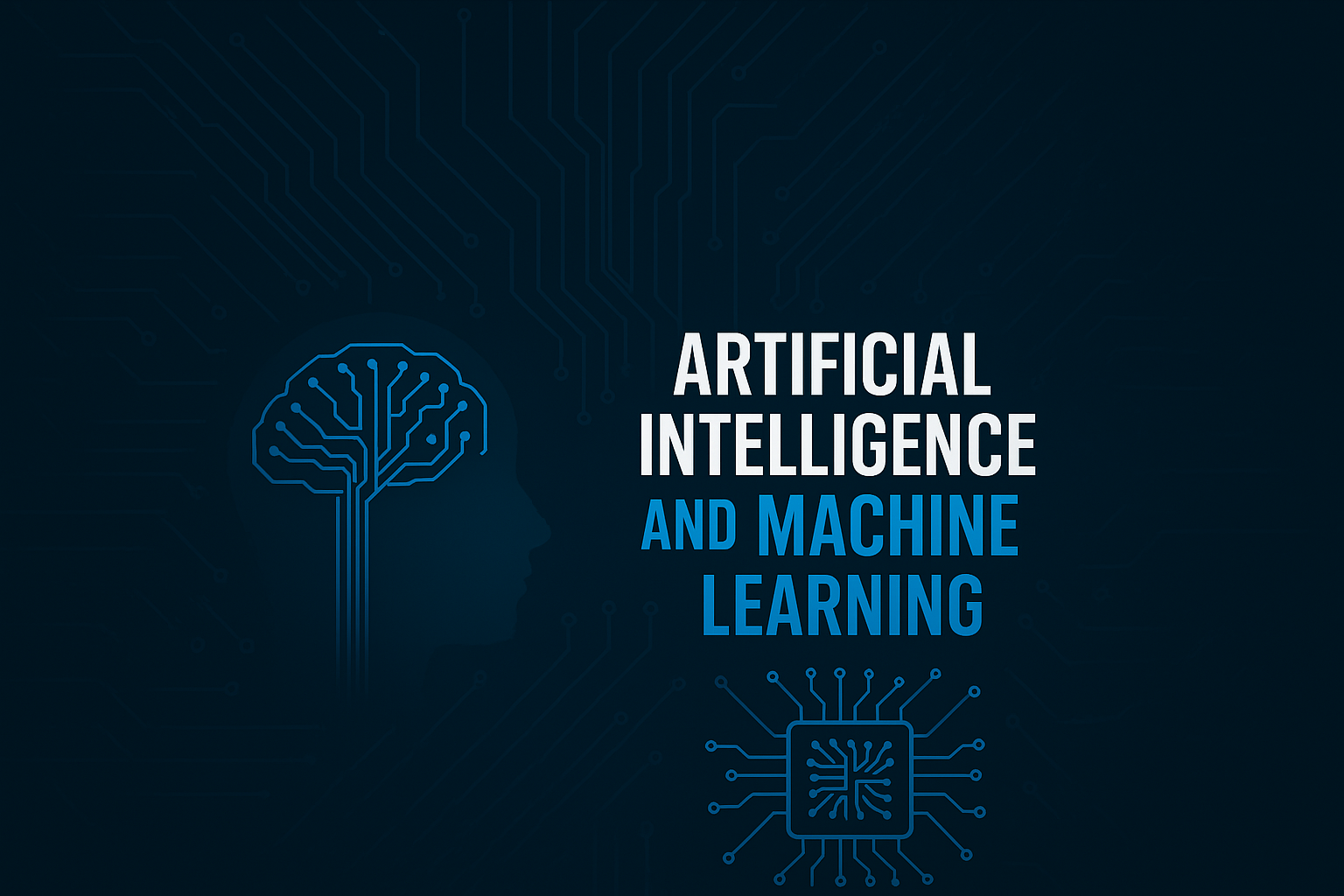
AI Doesn’t Take Jobs, It Takes Away Repetitive Work
Artificial Intelligence (AI) is often confused with a technology that is supposed to displace human labor. Things are, however, quite the opposite. AI is not meant to wipe out human workers- it is meant to wipe out repetitive, time-consuming, and routine tasks that are slowing down human beings. Rather than depriving professionals of employment, AI assists them in concentrating on creativity, strategy, and meaningful decision-making.
Understanding What AI Really Does
AI systems are designed to deal with activities that are pattern-based, rule-based, or repetitive. These are activities that consume precious human time and usually do not increase productivity. Through automation of these functions, AI liberates employees to work more creatively, analytically, and even humanely. The shift has resulted in improved work environments and provided opportunities to individuals to develop in more gratifying positions.
AI Removes Repetition, Not People
1. Automating Routine Tasks
AI can deal with processes such as data entry, scheduling, sorting, simple queries, and processing repetitive data. These are jobs that do not need creativity or complicated thinking, hence they can be automated. As AI will do the repetitive tasks, the workers will be able to concentrate on work that needs smartness, compassion, and discretion.
2. Enhancing Human Efficiency
The AI allows workers to be more efficient and faster by replacing monotonous tasks. It helps teams, thereby alleviating workload pressure and making sure that important assignments are fulfilled more effectively. This enhancement enables organizations to work more efficiently without exerting additional stress on the employees.
3. Creating New Job Roles
With AI automating routine jobs, the following categories of jobs are created: AI trainers, data analysts, automation supervisors, prompt engineers, and digital workflow managers. These jobs are more innovative and strategic, and provide the employee with new opportunities to upgrade and move on to higher-value jobs.
How AI Adds Value to Workplaces
Improves Productivity
The AI tools do not get exhausted, and the organizations can take up work in a much shorter time. This guarantees a greater production and efficiency.
Reduces Errors
As human errors are a possibility when working with repetitive jobs, AI automation reduces human errors and guarantees high levels of uniformity and consistency.
Supports Better Decision-Making
Using AI, one can analyze masses of data in real-time and assist companies to make smarter and faster decisions. These insights are applied in planning and innovation by human employees.
Boosts Creativity and Innovation
Through the elimination of repetitive burdens, employees gain more time in their brainstorming, problem-solving, and working together to brainstorm new ideas.
Real-World Examples
Customer Support
AI chatbots are involved in answering simple questions around the clock, and their human counterparts are required to address more complicated questions that demand sympathy and logic.
Finance
AI is used in activities such as managing invoices, fraud, and reconciliation, so that finance professionals are able to concentrate on planning, forecasting, and strategy.
Healthcare
AI uses documentation, patient scheduling, and diagnostics support in order to enable doctors and nurses to have more time to attend to patients.
Manufacturing
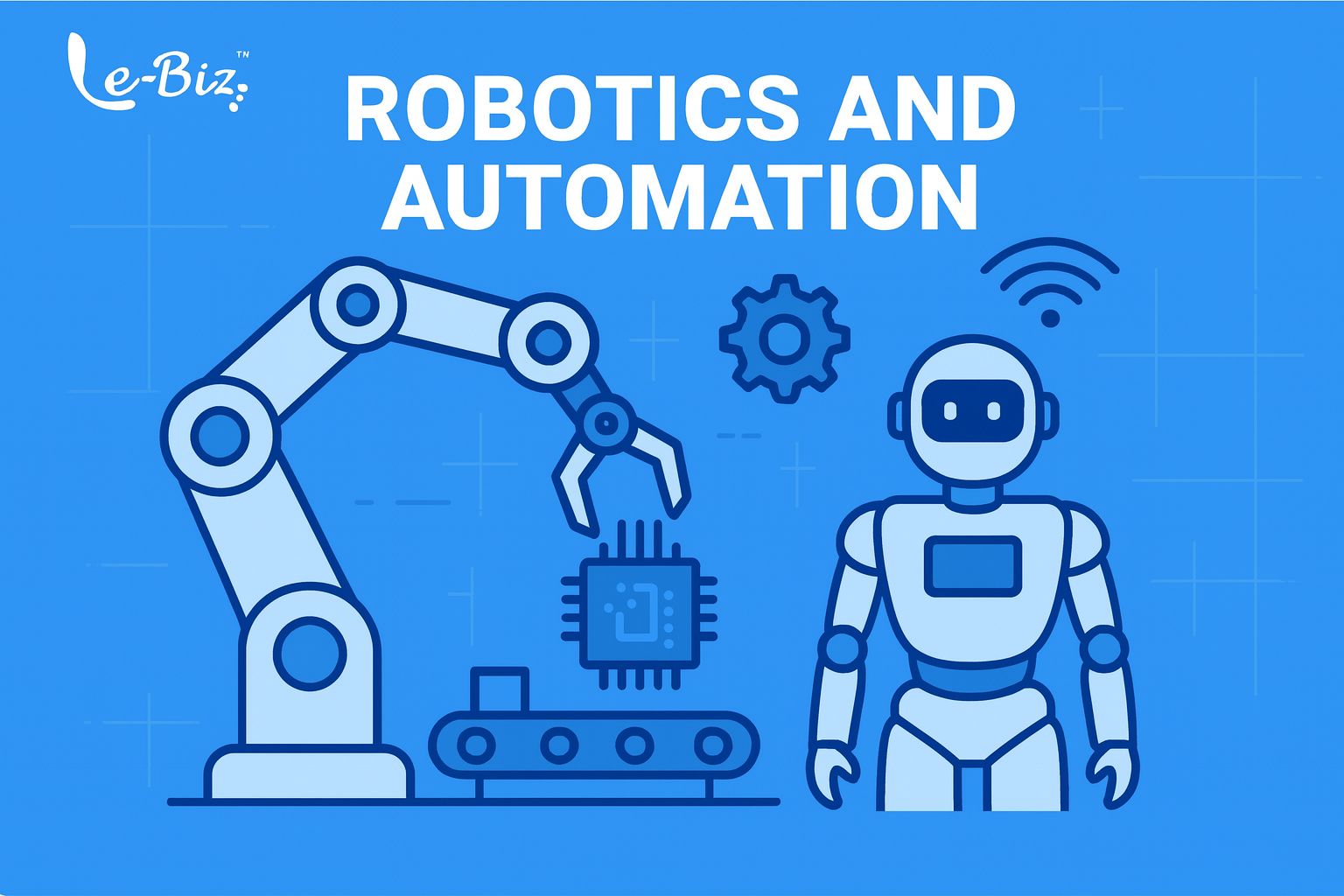
Machine-monitoring AI-based systems are quality trackers and repetitive assembly automators, with human labor handling creativity, maintenance, and additions.
Why AI and Humans Work Better Together
AI provides speed, accuracy, and consistency. Man introduces creativity, empathy, decision-making, and emotional intelligence. They are a strong collaboration when they are joined. The monotonous labor is done by AI, and the human is in the vanguard of ideas, novelty, and agenda.
Conclusion
AI does not mean the end of jobs; it is the end of boring and repetitive jobs. Automating activities that do not need human intelligence helps people concentrate on important and more rewarding activities. Rather than substituting employees, AI helps them become more efficient, promotes their development, and allows for emerging and even superior work.



Comments